
Input Specifications
- Input Voltage Range : 170VAC-300VAC
- Input Frequency Range : 47Hz-63Hz
- Inrush Current : <20Apeak@230VAC
- Input Current : <6Arms@170VAC and output full
- Efficiency : >80% under all line conditions and full load
Output Characteristics
Output Options
- 48V, 5Amp
- 48V, 10Amp
- 60V, 5Amp
- 60V, 10Amp
- 72V, 5Amp
- 72V, 10Amp
Ripple
- <800mV.Pk-Pk, at Nominal input
Power Up Your EV with Fast, Reliable Charging Solutions!
Noise
- <1200mV.Pk-Pk, at Nominal input (Average Measured with 0.1µF ceramic disc &10µF electrolytic capacitor across output)
- Output Over Load/Short Circuit Protection
- Output Over Voltage Protection
- Battery Reverse Protection
- Over Temperature Protections
- Temperature : Operation ambient 0℃ to +45℃ Storage 0℃ to+75℃ ambient.
- Humidity : Operating 5%RH to 95%RH non-condensing. Storage5%RH to 95% RH non-condensing.
Surge Capacity [IEEE 1000-4-5(1.2/50micro sec)]
- Diferential Mode : ±2KV
- Common Mode : ±2KV
Size = 200mm, x 123mm, x 67.5mm
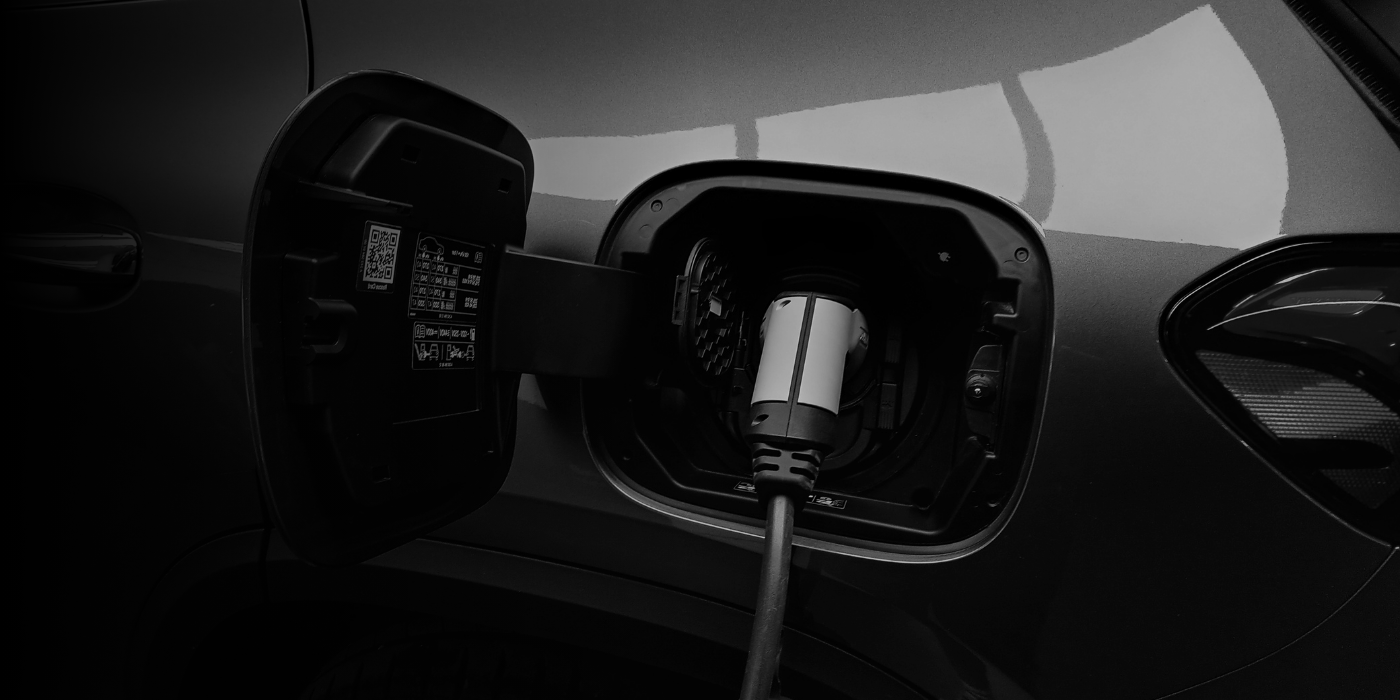
Electrical Vehicle (EV) Charger
Electrical Vehicle (EV) charger at different slow and rapid speeds depending on what on-board Integrated Electrical Vehicle Charger has been fitted. Battery capacities have a important influence on charging speeds, with larger Electrical Vehicle (EV) Charger batteries require rapid charging.
To get the most out of your plug-in electric vehicle (also referred to as an electrical car or EV), you want to charge it on a daily basis. Charging frequently maximizes the range of all-electric vehicles and therefore the electric-only miles of plug-in hybrid electric vehicles. Drivers can charge reception , at work, or publicly places. While most drivers do quite 80% of their charging reception and it’s often the smallest amount expensive option, workplace and public charging can complement residential charging.

Electrical Vehicle (EV) charger, Electrical Vehicle, EV, Integrated Electrical Vehicle Charger